By Aidan Krause
Correspondent
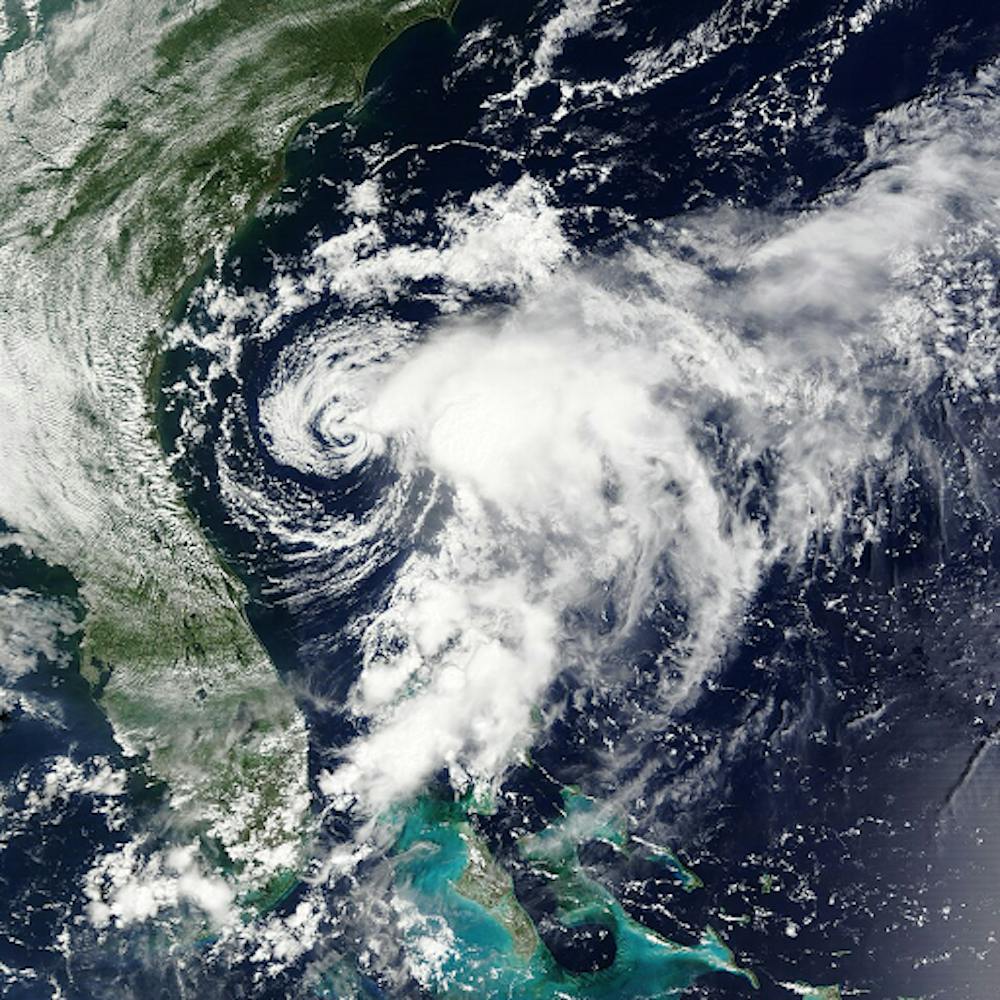
Former Tropical Storm Edouard rampaged throughout parts of Texas from Sept. 1 to Sept. 3, leaving more than 77,000 people without power and dropping roughly 20 inches of rain, according to CNN.
The storm made landfall near the Texas-Louisiana border on Sept. 1 near Johnson Bayou, Louisiana, and was expected to bring hurricane-like conditions to parts of the coast, according to the New York Times.
The National Hurricane Center reported that the storm downgraded after landfall, with sustained winds of 60 miles per hour, and forecasters said the storm would continue losing strength but continue heavy rainfall till Sept. 3, the Associated Press reported.
The National Weather Service called a flash flood emergency after 10 to 21 inches of rain fell through the night of Sept. 1 into the morning of Sept. 2 in the counties of Hardin and Tyler in eastern Texas, according to CNN.
In Hardin County alone, around 13,000 customers were without power on the afternoon of Sept. 2, while a dozen motorists had to be rescued from high water and around 10 structures were damaged by falling trees, The New York Times reported.
Whereas in Polk County, Texas, Highway 787 was closed due to floodwaters, and five people had to be rescued after a local creek overflowed and they were surrounded in their home, according to CNN.
By midafternoon on Sept. 2, floodwaters began to dissipate, while forecasters warned that the next round of rain could cause further damage that night, when eventually two to seven inches of rain fell, The New York Times reported.
Tropical Storm Edouard caused flash flood and tornado warnings throughout eastern Texas; however, Hailey Bailey, a Weather Service meteorologist in Houston, reported that “The National Weather Service issued various flash flood and tornado warnings. But there were no reports of a tornado touching down,” as reported by The New York Times.
As of the afternoon of Sept. 3, 30,000 homes in Eastern Texas were still without power, and several power lines were downed by the 60 to 90 mph storm winds, according to CNN.
Former Tropical Storm Eduoard mirrored another Tropical Storm Edouard that occurred in 2008, which also made landfall on the Texas-Louisiana border and was similarly short-lived, lasting less than a week, according to the CDC.
Edouard is just one of the several short-lived storms that have occurred so far these past couple of months. The Atlantic Ocean is also on track to receive its latest hurricane since 2013, which holds the record of Sept. 11, CNN reported.
September is typically peak hurricane season due to favorable weather conditions, like warmer water temperatures and low wind shear, which can rip apart tropical storms, according to CNN.
Satellite data shows that the Atlantic Ocean is hotter than in previous years, which could lead to more storms, but this year's El Niño, which has high wind shear, is tearing most storms apart and lessening their chances, CNN reported.
Forecasters have called for a muted storm season overall, although the rest of the season should not be ignored, as storms can develop very suddenly and quickly become a threat.