By Seb Leroy
Staff Writer
Before “The White Lotus” became one of the most widely discussed shows in television history, it began as a limited series filmed at a chaotic resort during the COVID-19 pandemic. Prior to “The Last of Us” becoming one of HBO's biggest hits, studios avoided video game adaptations like the plague.
HBO is now owned by Skydance, the company formed when Paramount completed its takeover of Warner Bros. Discovery on Oct. 6. Leadership has already warned employees about cost cuts and layoffs. For anyone who has fallen in love with these HBO productions, the question that arises is whether a company designed for scale lets HBO remain the kind of place that makes bets like these.
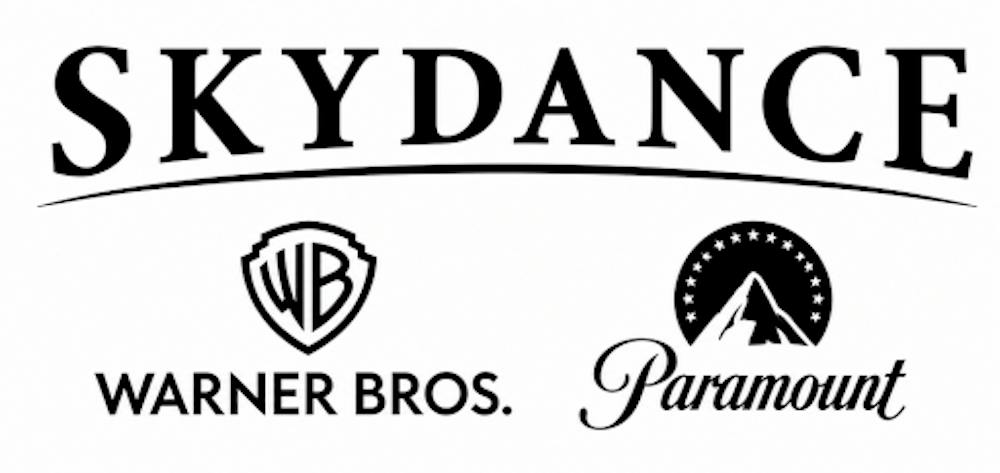
Skydance, which takes its name from the production company David Ellison founded in 2006, is a massive global media and entertainment conglomerate, uniting Hollywood Studios, streaming services and television cable networks all under a single corporate umbrella. Ellison now serves as CEO, alongside co-CEO Ynon Kreiz, the former head of Mattel.
Under one roof, Skydance holds Paramount Pictures, Warner Bros. Pictures, CBS, CNN and HBO, along with a host of franchises such as DC, Harry Potter, Top Gun, Mission: Impossible and SpongeBob SquarePants.
Ellison has said the Skydance name was chosen so Paramount and Warner Bros. “We never wanted a new corporate identity to diminish, alter or overshadow either one," he wrote in an Oct. 2 post on X. His statement named the two studios, though it did not mention HBO.
We can anticipate the most visible changes in the streaming industry. Skydance announced that HBO Max, Paramount+ and Discovery+ will merge into a single streaming service. However, the new service's price and name remain unclear. Engadget, a digital technology and news media site, reported that the substantial debt Skydance incurred to finance the deal could potentially lead to higher subscription prices for the new service.
Variety raised a further question, which is whether HBO will remain a standard part of the combined service or become a paid add-on, the way Paramount once did with Showtime. Paramount’s previous leadership effectively shut down Showtime, HBO’s longtime rival. And as we all know, careful observation of the past can provide details of what's to come next.
As with any ambitious merger, financing it comes with a series of cuts, and maybe some layoffs. In a memo to employees, Ellison and Kreiz warned that integrating the companies would require difficult workforce decisions, and Paramount has outlined plans to cut $6 billion in costs over three years. It is not yet clear how deeply those cuts will reach HBO.
Onto some counterweight, there are signs that HBO could potentially retain its influence. Casey Bloys, the HBO executive responsible for “The White Lotus” and “The Last of Us,” has been appointed as the co-chair and chief content officer of Skydance’s streaming division. This role entails overseeing both HBO Max and Paramount+.
Additionally, he has secured a multi-year contract extension. TVLine speculated that this appointment might indicate HBO’s intent to maintain its brand’s longevity even amid Paramount’s presence within the company. Ellison has publicly expressed his belief that HBO should operate independently. He emphasized the importance of preserving HBO’s identity, stating, “HBO should stay HBO.”
Examining the success of this merger will rely on a series of tests ahead. Skydance has not yet announced a name or price for its combined streaming service, and the scope of the layoffs remains unclear. The company’s first combined portfolio of films and shows will offer an early look at its priorities. For HBO, the question is whether a company built for scale will keep backing the kind of small, strange bets that once turned a resort satire and a video game adaptation into two of the most talked-about shows on television.