

By Felicity Flynn
Staff Writer
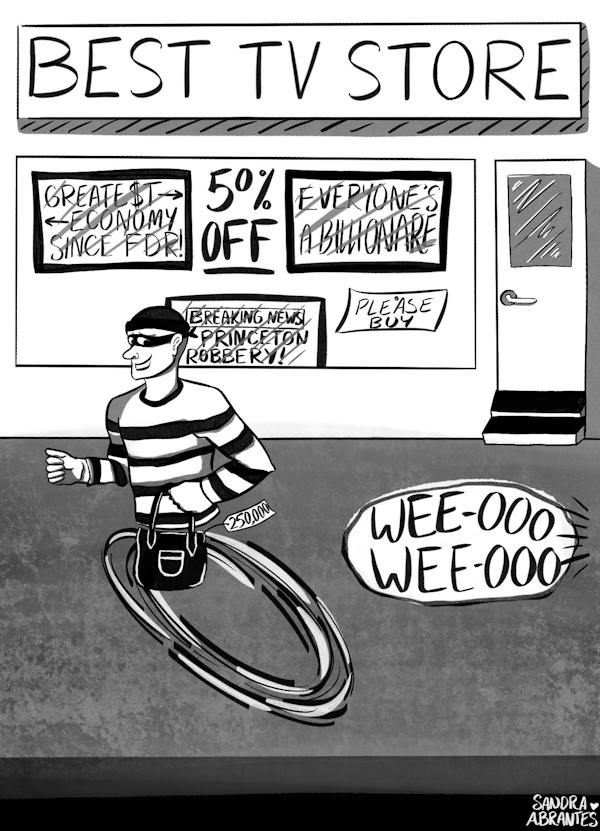
Senator Martin Heinrich, D-N.M., blocked Senator Jon Husted’s, R-Ohio, effort to pass a bill making tech companies cover their data centers’ electricity prices on Sept. 17, according to The Hill.
The bill, which passed in the House 417-3 on Sept. 16 would force states to hold a hearing on rules to make data centers pay for the increased electricity they use from their operations. This would be used to compel technology companies to cover their own utility costs associated with the construction and usage of the data centers, according to Politico.
The Hill reported that while this bill would open up opportunities to have data centers pay for their resources, it does not make states adopt any standards nor does it force tech companies to cover these costs.
The Washington Post added on; the Repayer Protection Act, would not have directly limited prices on its own. Instead it encourages state utility regulators to consider steps to protect consumers from rising electricity prices due to construction of data centers.
Sen. Jon Husted, R-Ohio sought unanimous consent to pass the bill, and defended it as “the most meaningful bipartisan step Congress could take to protect the American people from higher prices for electricity,” The Washington Post reported.
Henrich responded, “It’s not enough for us to tell states to consider making data centers pay for grid updates. Rather than voluntary pledges or suggestions to states, Congress needs to pass real legislation with real teeth,” when he voted the bill, according to The Hill.
Politico reported how difficult it would be to receive unanimous voting for this bill especially from Democrats who are already skeptical of the House bill. Senate Minority Leader Chuck Schumer said that there were “many different ways to approach AI” but they wouldn’t get done unless it was on a bipartisan basis.
Bernardo Moreno, R-Ohio, who voted to pass the bill argued “The term ‘do-nothing Congress’ exists for a reason. We absolutely accomplished that right now.” as reported by The Hill. “We did nothing here in the Senate because, again, of Democrat obstruction. This bill would have done something that’s not nothing.”
This bill is a proxy war in the ongoing congressional crisis that is the midterm elections. The Washington Post reported comments by Moreno from the senate floor, “[this vote is] Democrat obstruction, so they can just put up another TV ad to say that electricity prices are high, so that they can win an election.”
Moreno is very vocal in his beliefs that Heinrich’s objection is a way to hurt Husted in his race against former senator Sherrod Brown, D-Ohio, whose campaign has run millions of dollars of ads attacking Husted on data centers.
Politico reported how getting this bill onto the president's desk would give Husted and other Republicans a key talking point for TV ads and debate appearances.
This is due to the acknowledgment by Republican candidates that the growing backlash from voters over data centers is becoming a grave political liability
According to The Washington Post, Senator Heinrich stands by his point that Husted’s bill did not go far enough to force data centers to pay for upgrades to the electric grid and conserve water. He even went as far as creating his own bill, which would require the Federal Energy Regulatory Commission to write rules laying out what companies need to do when building data centers and other projects that use large amounts of power; which Heinrich described as a tougher approach than Husted’s.
“We also need to do more to get data centers to actually engage with communities from the beginning to the end, and we need to conserve local resources, especially water” Heinrih defends, “ And we need to protect communities from air pollution by using clean energy and battery storage. But we're not going to get there with the bill that the senator from Ohio has proposed.”
The Hill reported Hutsted responding to these claims with “The reason that I’m proposing that we pass this piece of legislation is because it passed the House 417-3. If the gentleman from New Mexico’s provision had passed the House 417-3, he would have every right to stand up and ask that we do this.” He stated on the Senate floor “But before we leave here, we ought to do something on a matter that the American people have asked us to do something about, and we have the opportunity to do that with the Ratepayer Protection Act.”



_with_Senators_Chuck_Schumer_(D-NY),_Martin_Heinrich_(D-MN),_Mike_Rounds_(R-SD)_and_Todd_Young_(R-IN),_Tuesday,_October_31,_2023,_in_the_Oval_Office.jpg)