

By Emma Alejandro
Staff Writer
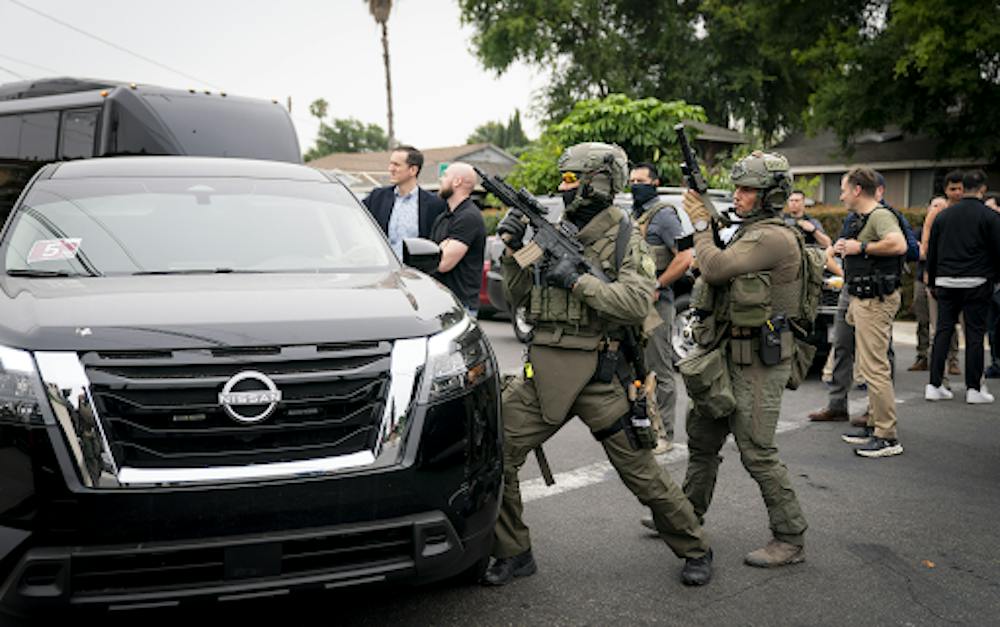
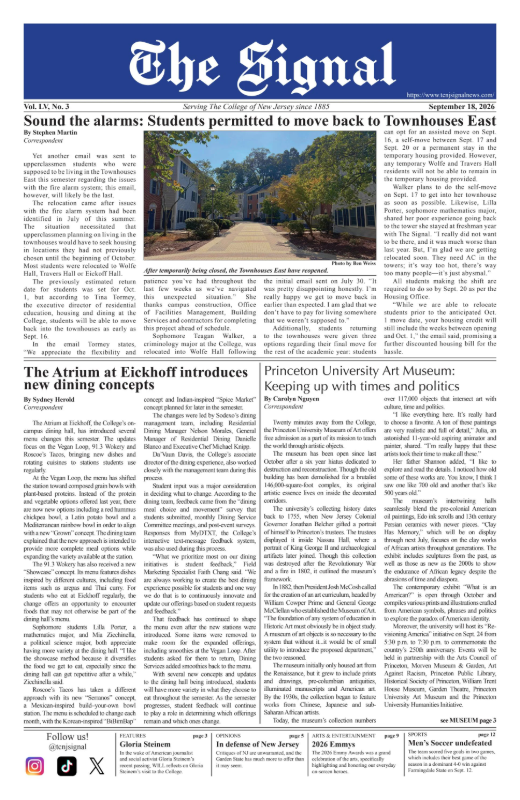
28-year-old Wilber Rafael Garcés Pérez from Venezuela was attacked by ICE agents on Sept. 20 at a traffic stop in Austin, Texas. Initially, Garcés Pérez believed it to be a road rage incident after Immigration and Customs Enforcement sideswiped his car according to The Guardian.
Reported by CBS News, Garcés Pérez was on his way to deliver food as a DoorDash driver when he was confronted and shot in the back by ICE. Garcés Pérez was then taken into custody at a federal detention center in South Texas with the bullet still lodged in his back near his spine according to Representative Greg Casar's official statement following his detention-center visit.
The shooting has since renewed debate over the conduct of ICE officers after reports indicated that the officer who shot Garcés Pérez was not wearing an activated body camera at the time of the incident despite reportedly being issued one, according to The Washington Post.
The lack of body camera footage has intensified calls for transparency from both lawmakers and immigrant rights advocates seeking a complete account of the encounter, according to The New York Times.
According to Garcés Pérez's attorney, Kate Lincoln-Goldfinch, the bullet was not removed because doctors believed it was too close to his spine. The bullet remained lodged near his spinal column while he was transferred from the hospital to ICE custody, leaving him in severe pain and raising concerns about possible long-term mobility complications, according to The Guardian.
“I am not doing well, and I am not receiving the medical attention that I require,” Garcés Pérez said in remarks published by The Guardian after being transferred to the ICE detention facility in Pearsall, Texas.
According to his attorney, Garcés Pérez was held in isolation in a non-medical bed and initially received only ibuprofen and Tylenol for his pain. Garcés Pérez also said that he spent his first night sleeping on the concrete floor of a cell without a bed, according to NPR News.
The Guardian reported that he remained in isolation after speaking to reporters, while Rep. Greg Casar said that when he visited Garcés Pérez, he found him in a wheelchair with his left arm in a sling and said he had only recently received stronger pain medication.
Speaking by phone during a press conference, Garcés Pérez described the moments before the shooting. According to The Texas Tribune, Garcés Pérez said an unmarked SUV struck his vehicle more than once before he realized federal agents were attempting to stop him.
After noticing emergency lights, Garcés Pérez said he tried to find a safer place to pull over rather than stopping in traffic. Shortly afterward, he said he felt a shot strike him from behind, according to The Texas Tribune.
Friends and family members describe Garcés Pérez as someone whose life revolved around “family, soccer and work” after arriving in the United States in 2024. A childhood friend of Garcés Pérez characterized him as a quiet individual who spent most of his time working to support loved ones both in Texas and Venezuela, according to Houston Public Media.
His attorney said Garcés Pérez worked as a DoorDash driver to help support his family, including a son in Venezuela who has special medical needs. His mother told reporters that he has been hardworking since childhood and regularly sent money home to help pay for his son’s treatment and medical equipment.
As mentioned by NPR News, the case has sparked protests throughout Austin, where demonstrators have gathered outside the Texas Capitol and elsewhere to demand Garcés Pérez's release and accountability for the shooting.
More than 100 people attended one protest on Sept. 21, according to The Texas Tribune. Students at schools around the Austin area also walked out during the week, according to The Guardian.
Garcés Pérez’s immigration history has also become a central part of the case.
According to remarks from Garcés Pérez’s friend recounted by Houston Public Media, Garcés Pérez “came to the United States totally legally” through CBP One, a federal mobile application that allowed migrants to schedule appointments with immigration officials at ports of entry during the Biden administration.
The Texas Tribune reported that Garcés Pérez used the application to enter the country and later applied for asylum. He had also obtained a valid work permit according to Houston Public Media.
Attorney Lincoln-Goldfinch said Garcés Pérez missed an immigration court hearing after the notice was sent to a previous address despite having updated his address with the court, resulting in a removal order being issued in absentia.
Garcés Pérez was reportedly unaware of the removal order until after he was taken into ICE custody following the shooting, according to Houston Public Media. Although he had entered the United States through the CBP One process and received authorization to work, he was later subject to a final removal order after missing the hearing.
Garcés Pérez’s attorneys are seeking to block his deportation while he pursues legal options, including a possible U-visa application connected to the shooting, according to The Texas Tribune.



_Enforcement_and_Removal_Operations_(ERO)_in_Los_Angeles,_California,_June_12,_2025_-_65.jpg)