By Emma Alejandro
Staff Writer
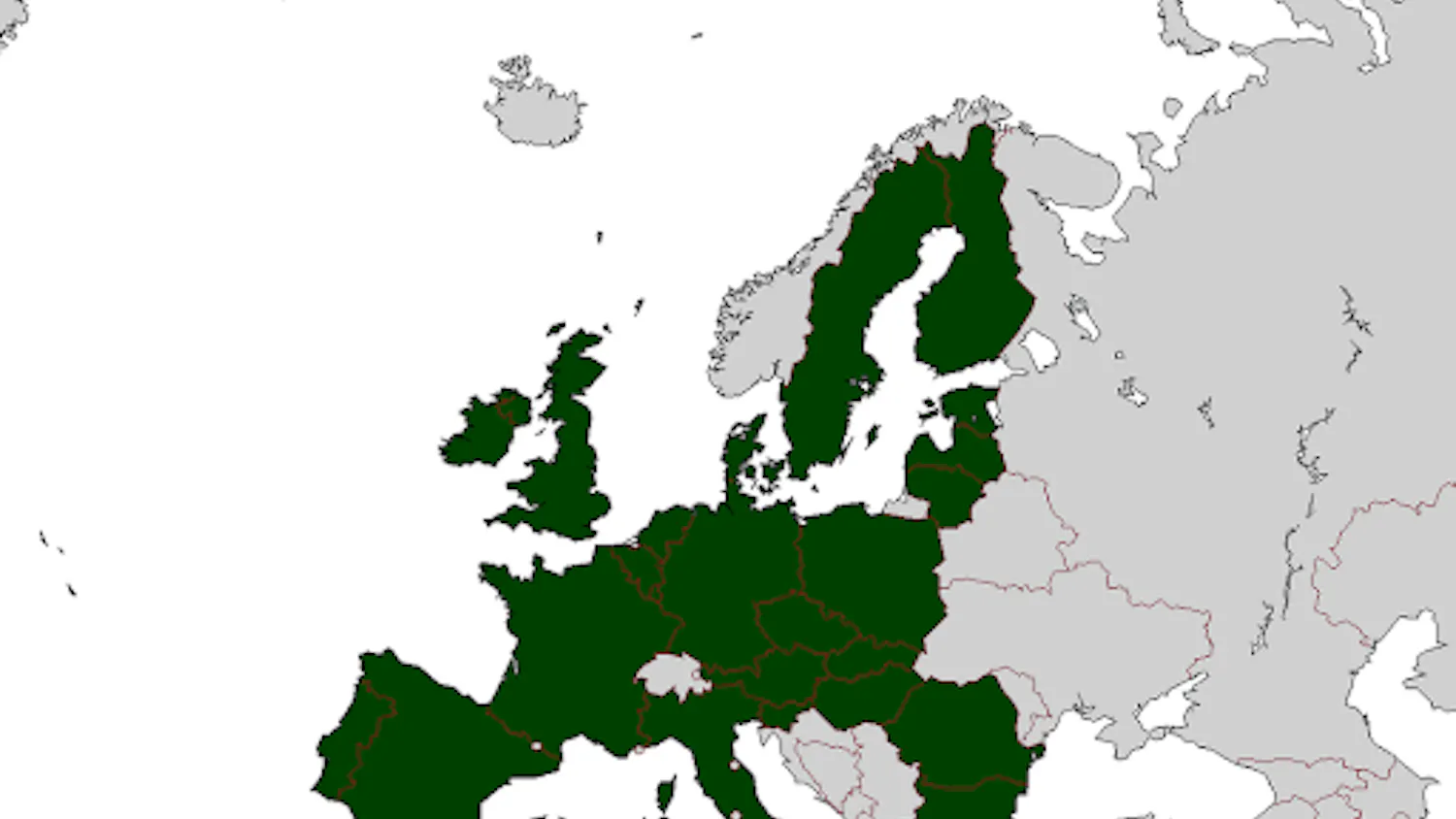
The European Union suspended Brazilian meat products from being imported effective Sept. 3. The ban was issued in May after Brazil failed to meet the EU’s antibiotic and antimicrobial regulations according to Reuters.
Under the new EU regulation, Brazil is no longer authorized on their list of eligible countries to export several types of animal-derived products to the European Union, according to aviNews International.
Antimicrobials are strictly prohibited by the EU in the use of stimulating livestock growth since 2006, as confirmed by the National Center for Biotechnology Information.
The U.N. acknowledges that antibiotic use in agriculture is fueling the rise of drug-resistant bacteria, threatening the effectiveness of treatments that doctors rely on to fight human infections, as reported by The Guardian.
According to aviNews International, no outbreak, virus or contamination currently exists in relation to Brazilian meat products. Instead, the EU’s suspension is purely procedural. The EU stated they did not receive adequate safety guarantees or audited proof from Brazil, according to Reuters.
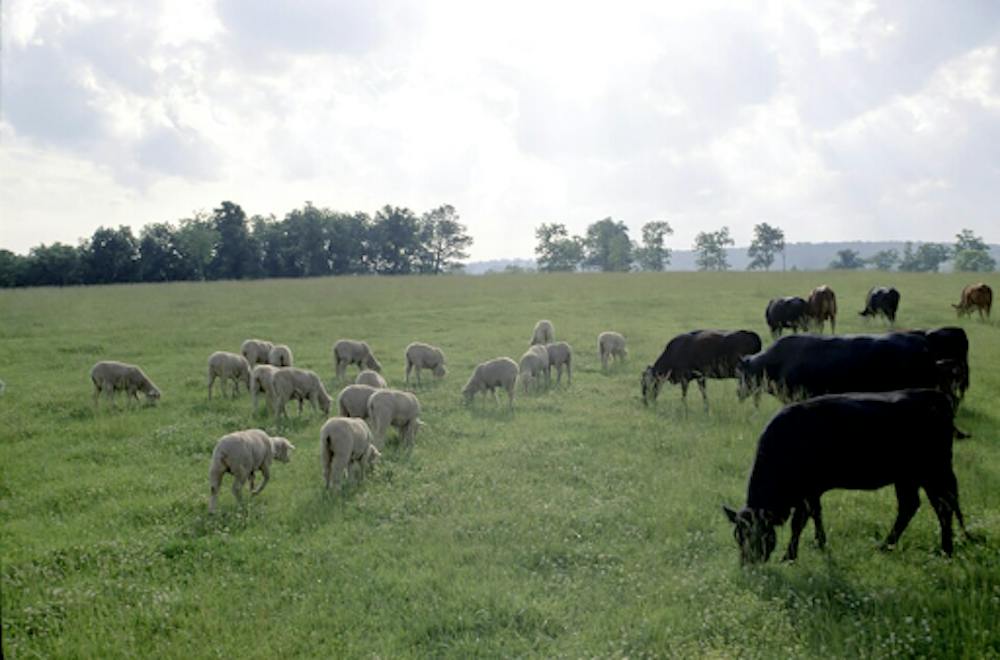
Banned products include the following list of beef, poultry, honey, eggs, aquaculture products and animal livestock, according to avi News. According to Reuters, the Commission has not offered a date for the potential removal of the ban.
“Our farmers respect some of the strictest sanitary and antimicrobial standards in the world.” European Agriculture Commissioner Christophe Hansen said in an interview in June. “It is therefore legitimate that imported products should be subject to the same requirements. The decision adopted today demonstrates that the European control system works.”
Yet, the costs this ban evokes for its industry are substantial.
Brazil is the world's largest exporter of beef and chicken according to the USDA Foreign Agricultural Service. In 2025, it was the second largest supplier of beef to countries in the EU.
According to aviNews, the EU imported roughly 368,000 tons of Brazilian meat last year, with those exports valued at about $1.8 billion.
From AP News, President Luiz Inácio Lula da Silva’s agriculture ministry expressed concerns on the potential tension this ban places on the EU-Mercosur trade agreement, saying “Brazilian authorities expressed their indignation at the lack of dialogue before the measure was adopted.” The ministry remarked that the suspension “does not match the depth of the strategic partnership between Brazil and the EU.”
According to the Atlantic Council, the EU-Mercosur trade agreement is a free-trade deal between the European Union and the Mercosur bloc, made up of Brazil, Argentina, Paraguay and Uruguay. Signed in Jan. 2026, the agreement seeks to expand trade between the two regions, including agricultural goods and began provisional implementation in May, the European Commission stated.
Meat has been one of the most disputed parts of the agreement. The current suspension is especially significant because Brazil is the only Mercosur member affected by the EU's restrictions on these animal products, according to AP News.
With billions of dollars in exports at stake, Brazil now faces the question of where those products can go now they have lost the EU market.
Seemingly, the United States could become an alternative destination for some of Brazil's beef according to Valor International.
Donald Trump recently confirmed that Brazil and Argentina will supply part of a temporary program, allowing up to 300,000 metric tons of tariff-free ground beef into the United States over three months, a policy intended to increase domestic beef supplies, according to Forbes.
Just days before Trump confirmed the source of the imports, Brazilian meatpacking billionaire Joesley Batista met with the president and advocated for removing the 26% tariff on Brazilian beef, according to The Wall Street Journal.
The Journal reported Trump's announcement about the temporary tariff suspension potentially opening the U.S. market to Brazilian beef that had become harder to sell elsewhere. Trump has said the imported beef will be sold at a discount to consumers, according to Forbes.
For Brazilian exporters, the policy could provide an outlet for meat that would otherwise have been destined for Europe. Forbes reported that the EU ban left Brazilian packers with a surplus of export-ready beef, while Brazil normally faces a 26.4% tariff on beef imported outside its U.S. quota.
According to S&P Global, analysts expect Brazilian shipments to the United States to rise another 40%–50% by the end of the year as the temporary U.S. tariff-free quota provides an outlet for beef that otherwise would have faced weaker demand from China and the EU.
Poultry could have a wider range of destinations.
Agência Brasil reported that chicken originally intended for European buyers could instead be redirected to Brazil's domestic market and countries in the Middle East.