By Luke Hunter
Correspondent
President Trump signed executive orders banning a slew of Canadian products on Sept. 8, in response to recently passed Canadian retaliatory tariffs, according to BBC News. As the trade war between the United States and Canada continues to rage, both sides have escalated.
President Trump’s ban on Canadian products will go into effect on Sept. 29. Canadian products, which have been banned from import include malt beer, non-alcoholic beer, various vodka, rum and wine products, dairy products like whey, motorcycle parts and cane molasses.
BBC News also highlighted how beyond banning Canadian products, President Trump’s Executive Orders also place a higher import tax on several unbanned Canadian products. Some Canadian imports subject to the new import tax include paper, raw hide, some furniture, mattresses, golf carts, switchboards, aluminum, iron and various cheeses.
According to TD Economics, the import tax is set at 50% and will go into effect Sept. 15. The source further highlights how these products account for “0.6% of U.S. imports from Canada.”
While the import tax goes into effect for the Canadian products previously mentioned, several Canadian products, which had the 50% import tax levied on them earlier this year, will have the import tax lifted. These Canadian products include sugars, toilet paper and cement.
Regionally, the provinces of Ontario, Quebec, Nova Scotia and New Brunswick will feel the effect of President Trump’s tariffs and taxes while the Province of British Columbia will be neutrally impacted, TD Economics reported. The source further clarified that in spite of these impacts, provincial leaders throughout Canada view the tariffs and bans as a minor focus.
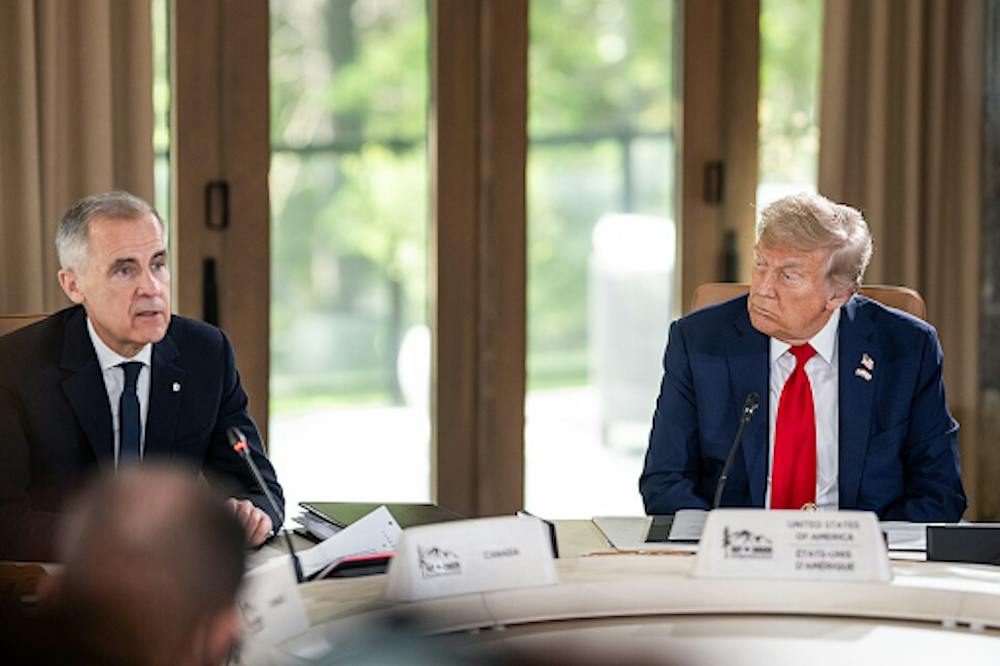
According to CBC News, while the trade war between the United States and Canada has caused a rift between the two nations, both leaders, Trump and Carney, continue to work together to fulfill their obligations to the international community.
Prime Minister Carney said “I spoke to [Trump] recently in the last few days, a couple of times, related to issues [in Ukraine], related to issues in Iran, other global developments. Because that's part of our responsibility.”
According to the Financial Post, instead of retaliating against these tariffs and bans, Prime Minister Carney plans on focusing on domestic improvements while diversifying foreign economic relationships.
While the long term fallout from President Trump’s import tariffs and taxes have yet to be felt, TD Economics estimates that these measures should not have an impact on Canada’s future economic growth.
In the same vein, the Financial Post reported that while on the surface President Trump’s actions appear to be an escalation, the tariffs and bans should not have any real macroeconomic impact on either of the two countries.
Although the future of trade relations between the United States and Canada remains uncertain, room for negotiation remains with three weeks remaining before these bans and tariffs go into effect.
While at a press conference with Ukrainian President Volodymyr Zelenskyy, CBC News recorded Prime Minister Carney as saying “Canada's always ready to strike a fair deal. We believe there's still a mutually beneficial deal for Canada and the United States.”