By Tyler Fennell
Staff Writer
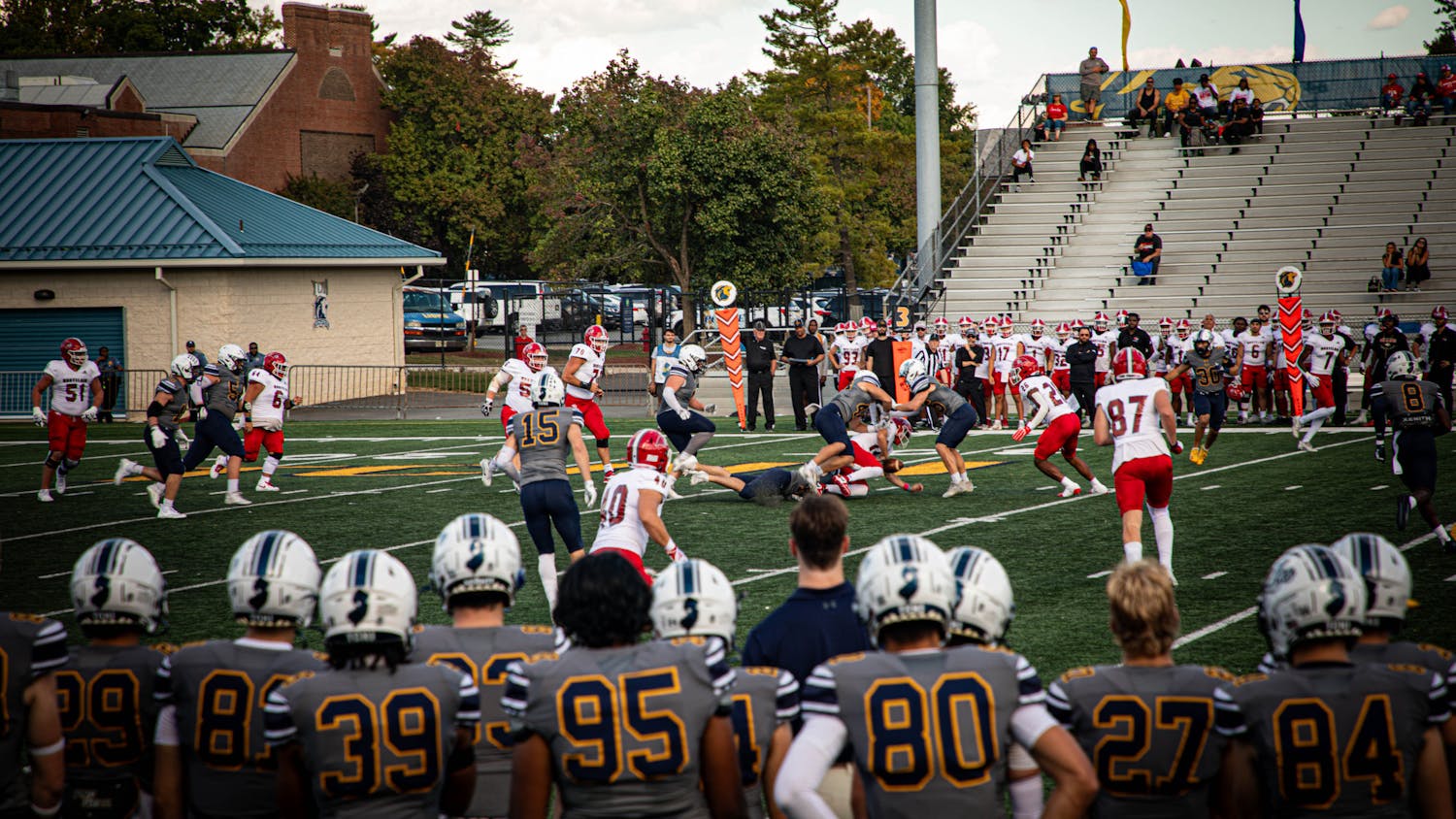
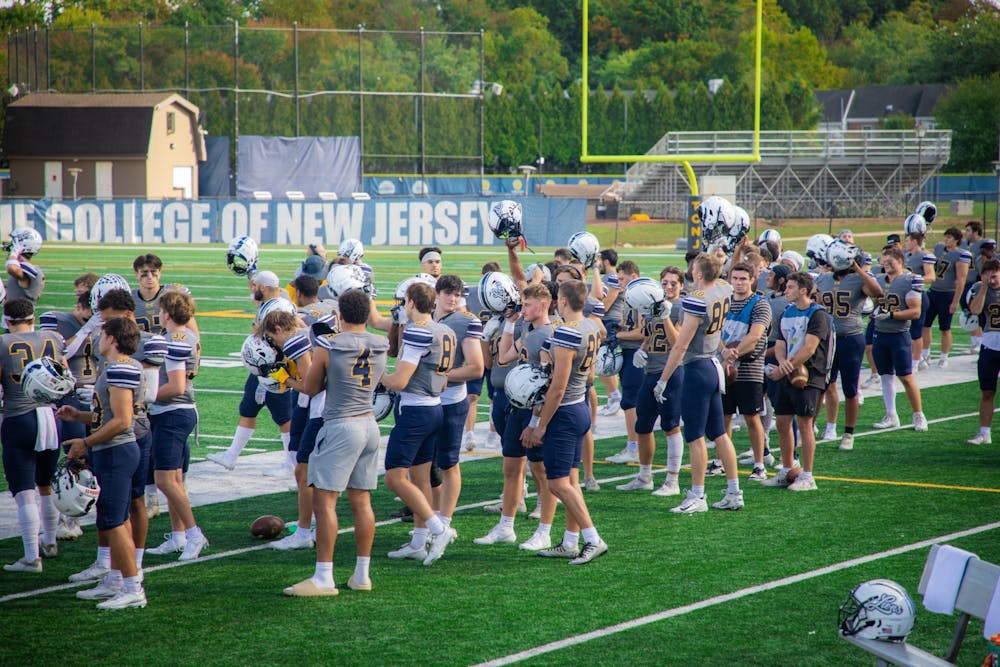
Turf provides a piece of nostalgia for me. Coming home from practice, your parents yell at you for dragging all the tiny black rubber bits into the house. Your shoes are filled with them, and it's like walking with a pins and needles sensation that won't end. Not only that, but those beads seemingly never want to come out. However, turf is more than just the nuisance at the end of practice or a game, it's way more dangerous.
With the World Cup coming up, the discourse around turf has increased. FIFA will be swapping out the turf in many stadiums across the United States for grass. Not only that, but once the World Cup has concluded and the NFL season starts back up, the grass will be swapped out for turf. Why?
At every level of play, there is a drastic increase in non-contact injuries on turf compared to grass. These injuries are career altering. In most recent memory, New York Giants star wide receiver Malik Nabers suffered an injury that tore his ACL, meniscus, partially tore his labrum, and turf toe, all in one non-contact play at MetLife Stadium, a stadium notorious for its turf injuries. In that same game, week 4 against the Los Angeles Chargers, Chargers right tackle Joe Alt suffered a high ankle sprain.
This isn't a coincidence. The NFL Players Association has conducted studies every year regarding the increase in non-contact injury numbers on turf compared to grass. According to J.C. Tretter, former president of the NFLPA, “Now, 10 of the previous 11 years show the same exact thing — grass is a significantly safer surface than turf.”
This came from a study conducted by the NFLPA in 2023, where the only year where the statistics did not reflect the claim was in 2021, a year considered to be an outlier.
On top of the increase in injuries, synthetic turf fields have been found to leech PFAS into our bodies. These chemicals are commonly found in products such as non-stick cookware and food packaging. These chemicals don’t go away and build up in our bodies over time, hence their nickname “forever chemicals.” These PFAS have been linked to multiple types of cancer, high cholesterol, low fertility and developmental issues with children or infants. The PFAS problem gets significantly worse during the summer months. According to Pennenvironment, turf can reach up to 170°F, as opposed to grass rarely going above 100°F.
Due to the dangers of turf fields, a few NFL teams and universities have already made the switch to real grass or are in the process of making that switch. The Las Vegas Raiders have switched from turf to grass, and the Atlanta Falcons are in the process of switching. The University of North Carolina as well as the University of Nebraska, two schools with prominent Division I athletic programs, have made the switch as well.
If turf is so dangerous, why does the College use it for all of its fields? The College’s athletic director Liz Shatkus said, “We utilize turf at TCNJ for a few reasons. Turf fields provide a reliable, year-round playing surface that can withstand heavy use. Turf offers consistent, all-weather conditions, reducing cancellations and ensuring a safe, predictable environment for athletes. Turf also supports multiple sports on the same surface and can accommodate high activity levels, allowing varsity teams, club sports, and recreation programs to all utilize the fields. Grass fields in New Jersey face significant limitations in both usage and climate. They cannot sustain heavy activity and must be shut down from November through March due to freeze–thaw cycles and a dormant growing season. In contrast, North Carolina’s milder weather and longer growing season support more durable warm-season grasses, such as Bermuda, which recover quickly from athletic use. New Jersey’s climate supports primarily Kentucky bluegrass, which is far less resilient under high-traffic conditions. These regional differences make turf a necessary solution at TCNJ to ensure year-round access, durability, and consistent field quality.”
Not only is turf easier to maintain, it’s also significantly cheaper. There are also differences in turf fields. Head coach of the College’s football team, Tyler Moody, said, “I have experienced really bad turf - really bad turf definitely increases non-contact injuries. I must say, I think the turf here is much better than some Division I fields that I've had experience with. I think the dream scenario is always perfect grass… but that's not realistic for most places, no matter what the level. This topic is a hot one at the pro level because it can be.”
For a school as small as the College, the reality is that properly maintained grass fields are not feasible. Climate is the biggest factor that limits the College from switching to grass. Those same limitations are not applicable to the NFL. The NFL has no excuse to not use grass. The cost of maintenance is a non-issue with the NFL being a multi-billion dollar company. The NFL already has injury problems because of the nature of the sport. There is no reason to exacerbate this problem by allowing teams to cut costs monetarily by risking the careers of their players.