By Isabella McHugh
Staff Writer
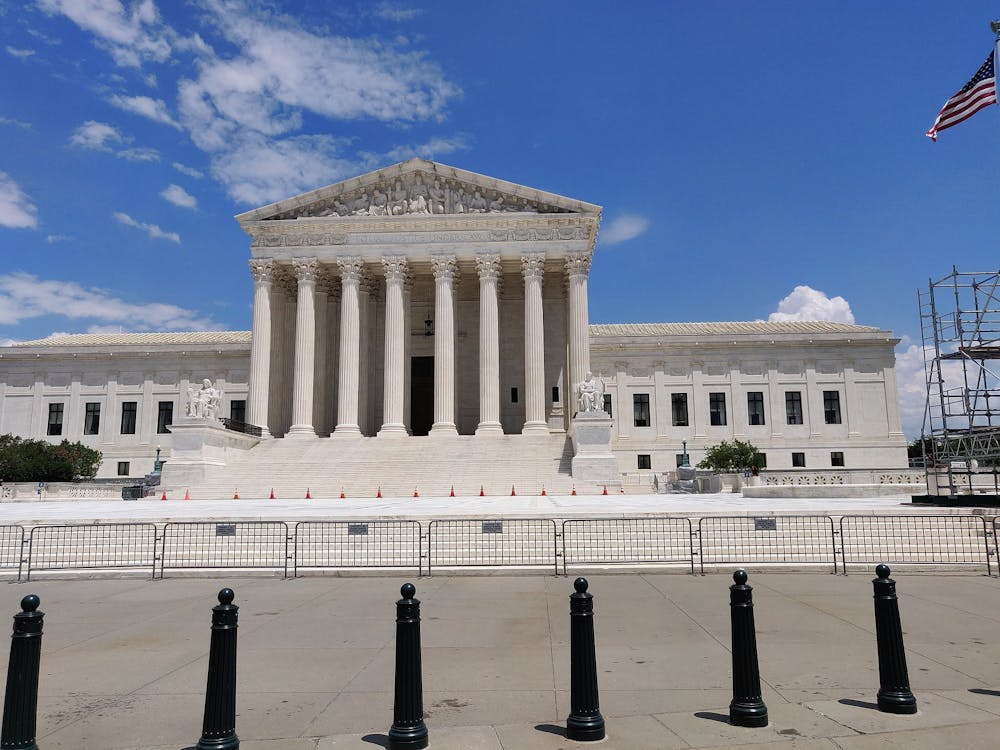
The Supreme Court ruled against a Colorado law banning conversion therapy for LGBTQ+ youth on March 31, according to AP News.
The Court ruled in an 8-1 majority, siding with a Christian counselor who argued that taking away conversation form of therapy was a violation of the First Amendment of the Constitution, AP News reported.
The ruling does not nullify the law, but now it is under the investigation of the lower courts. CNN reported that the law will most likely be struck down by these lower courts.
Many critics of this therapy say that it is not effective and can have harmful repercussions to young people, according to the New York Times.
Kaley Chiles was the counselor who argued in favor of the law ban stating that it impeded on the care she could provide to individuals who felt “same-sex attractions or gender identity confusion,” according to the BBC.
She also argued that the law prevented her from trying to “reduce or eliminate unwanted sexual attractions (or) change sexual behaviours,” the BBC reported.
Colorado argued that the law does not violate the First Amendment, contending that therapy is different from a traditional form of speech since it is a type of healthcare, according to AP News.
Even two of the court’s liberal judges, Elena Kagan and Sonia Sotomayor ruled against the ban. Justice Ketanji Brown Jackson was the only member who voted against it, the New York Times reported.
The case was argued in October of 2025, and most of the judges claimed to have issues associated with the law preventing conversion therapy, according to CNN. Some proposed that the solution to harmful therapy was a malpractice lawsuit instead of preventing this form of therapy.
“I hope this win for free speech will fuel a greater pursuit of truth,” Chiles told reporters after the court ruling. “Because of today's ruling, families will have more options and states won't be able to shut those options down,” she added, according to NBC.
Others such as Democratic Colorado Attorney General Phil Weiser strongly disagreed with this statement, and viewed the ruling as a “setback for Colorado's efforts to protect children and families from harmful and discredited mental health practices,” according to NBC.
Polly Crozier, director of family advocacy at GLAD Law representing the LGBTQ+ community, stated that the court’s ruling “does not change the fact that conversion therapists who harm patients will still face legal consequences,” according to NBC.
The New York Times reported that in the recent past, the Supreme Court has resolved more decisions in favor of religious people, notably conservative Christians.
Chiles’s claim conveys her personal religious beliefs and the way they inform her understanding of how she thinks young people should express their sexuality or identity.
Despite this, Chiles claimed that her intention was not to “cure” clients’ sexual orientation, but to help patients reach their own goals, The New York Times reported.
NBC reported that various cases concluded with free speech and rights to religious expression taking precedence over anti-discrimination laws protecting people in the LGBTQ+ community.
According to the BBC, Weiser said that conversion therapy is “condemned by all medical associations,” and added, “That's not about speech.”