By Frankie Sanchez
Correspondant
President Donald Trump announced an initially 10 day ceasefire between Israel and Lebanon hours before it took effect on April 17, 2026, according to the New York Times. The ceasefire has since been extended and is still in effect as of April 29th.
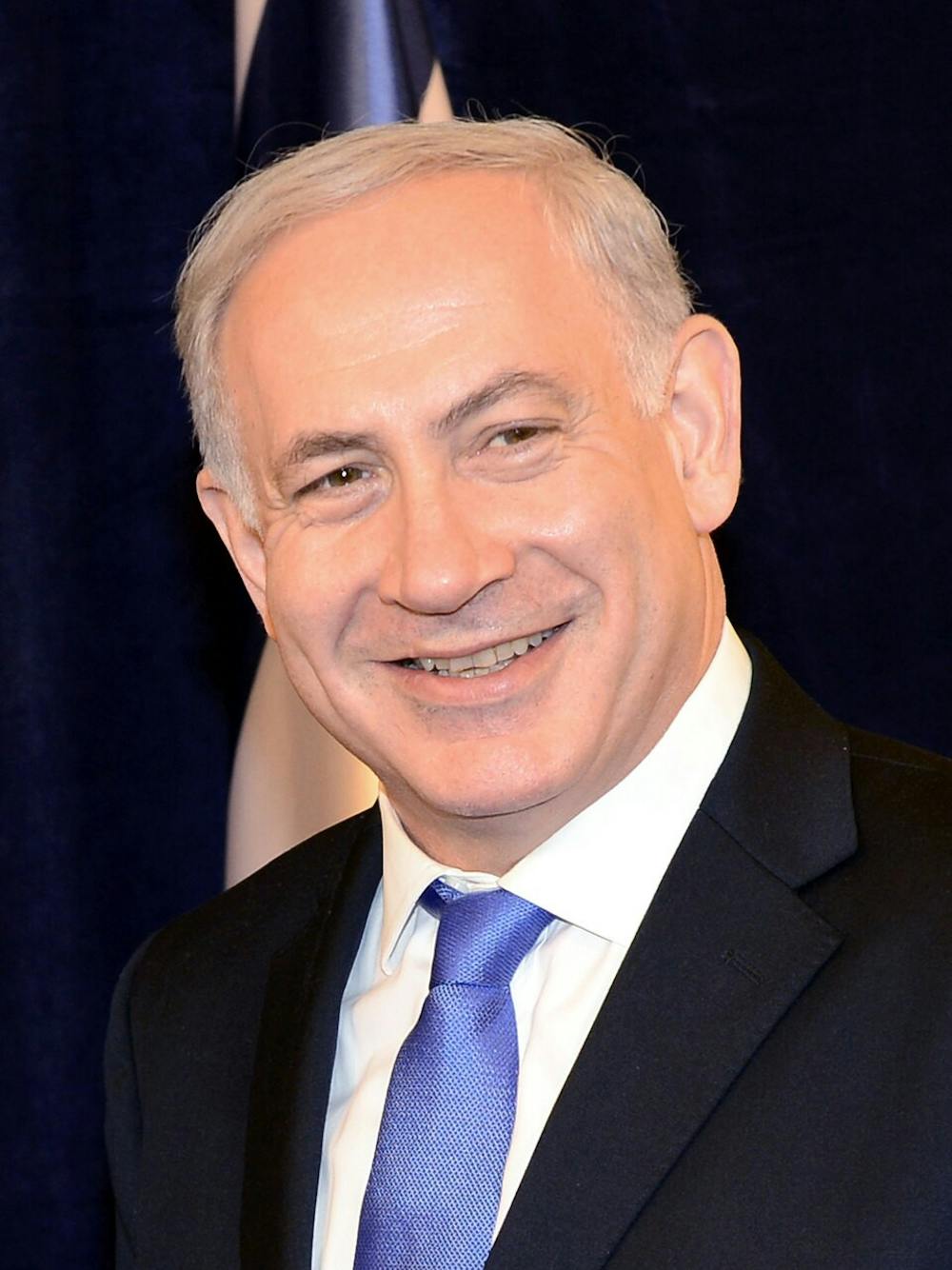
In that announcement, President Trump said he spoke with the leaders of both nations, and that Prime Minister Benjamin Netanyahu of Israel and Prime Minister Nwaf Salam of Lebanon both welcomed the agreement.
Trump also announced that the 10 days could be extended with the consent of both countries. The announcement came in the midst of a previous ceasefire between the United States and Iran, which expired on April 21.
For the ongoing talks between the U.S. and Iran the Israeli-Lebanese conflict represents a roadblock to the success of those talks. The continued fighting that, according to Lebanon, had so far cost 2,500 lives was preventing their participation in any long-term negotiations between the U.S., Iran and Israel.
A major concern of the Israeli-Lebanese ceasefire is the lack of official involvement from Hezbollah, the group that Israel is primarily engaged with in Lebanon. Hezbollah claimed it will abide by the truce, but Hezbollah is not directly controlled by the Lebanese government, and is accused by Lebanon of being funded by Iran.
Since the ceasefire was declared Israel and Hezbollah have continued to exchange attacks, primarily in Southern Lebanon. Israeli forces engage in on the ground operations in Lebanese villages and towns, and Hezbollah has fired rockets and drones into Israel.
Netanyahu had said that the ceasefire might be a chance for future long-term peace between Israel and Lebanon, but this depends on the disarmament of Hezbollah.
Recently, the leader of Hezbollah Naim Qassem has said that Hezbollah would not "relinquish any of its weapons or defenses.” More recently the Israeli Prime Minister has accused Hezbollah of, “essentially disintegrating the cease-fire.”
It was hoped the ceasefire in Lebanon would help bring Iran closer to the negotiating table, but in addition to that The United States has blockaded the Strait of Hormuz, where Iranian oil passes to reach global markets. U.S. officials like Defense Secretary Pete Hegseth have also made it clear that the U.S. forces are ready to reinitiate attacks on Iranian infrastructure whenever necessary.
“While you are digging out, we are only getting stronger,” Hegseth said, according to The New York Times.
The Trump Administration faces pressure to end the war from home as well. Midterm elections are approaching in the U.S., and the war is not only unpopular, but across the U.S. gasoline prices have risen.
Internationally, American allies in Europe are reluctant to help blockade the Strait, a vital artery of global trade, and despite guarantees that any non-Iranian vessels are permitted to enter, traffic through has still slowed.