By Grace Gorsline
Staff Writer
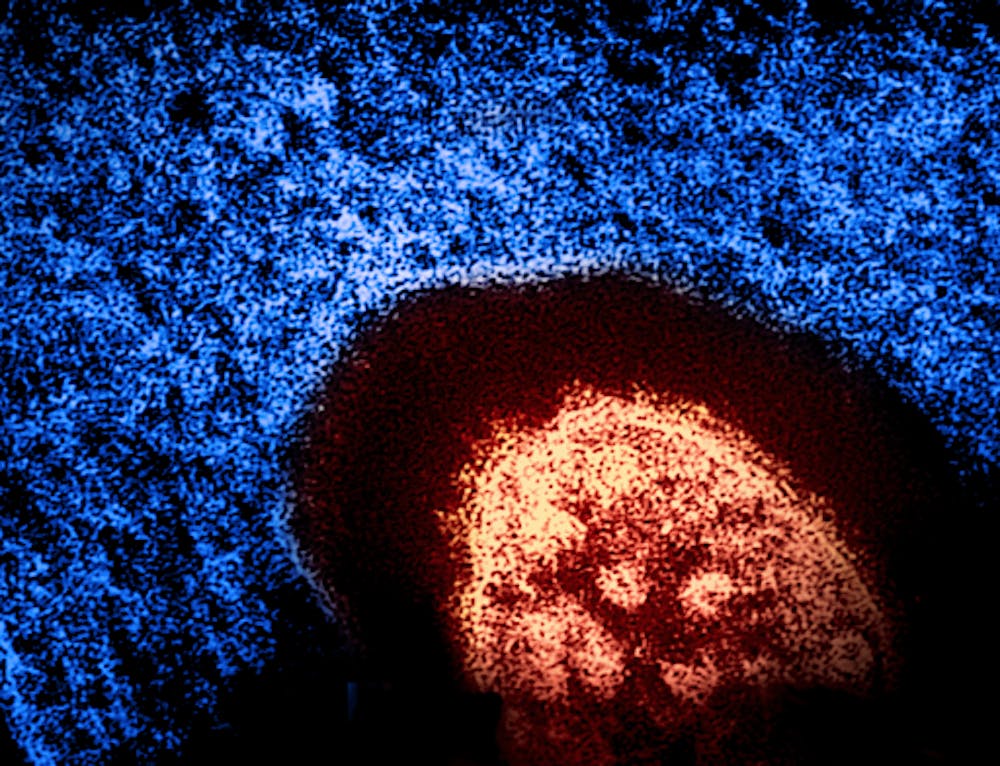
Measles, an infectious disease spread via airborne droplets, was on its way to eradication thanks to the MMR vaccine and proper health precautions utilized throughout the world.
However, as of April 23, 1,792 cases of measles were reported in the United States according to the Center for Disease Control. That’s 20 times more measles cases in the U.S. now compared to ten years ago.
Caused by the measles virus, symptoms of this disease include fever, maculopapular rash, sore throat and Koplik spots. However, one of the scariest aspects of this disease is the potential for immune amnesia. This is when the virus terminates immune memory cells, leaving the infected extremely vulnerable to all other pathogens.
In other words, if the patient had previously obtained the antibodies for other viruses like influenza or the corona virus, they would no longer have immunity for those viruses.
The question now is why are these cases growing and continuing to show up more frequently now, when the healthcare system was so close to eradicating the disease altogether?
While there are many factors that have influenced this rise of measles cases, one of the more prominent ones is the correlation between anti-vaccination sentiment and this increase in cases, according to PBS News’ Laura Smith, a Health Reporter.
Because of misinformation, including Andrew Wakefield’s false study, there has been an increase in anti-vax beliefs, according to the National Library of Medicine.
To give an example, Wakefield’s study claimed that there was a link between vaccinations and autism. His paper included a sample size of only 12 children, and it was later retracted.
A number of other scientists have debunked his findings, and the science has shown that overall, vaccines are safe and are not correlated with the causes of autism, according to a variety of sources, including Dr. Daniel Salmon, a vaccinologist and the director of the Johns Hopkins Institute for Vaccine Safety.
Salmon reports in an interview with Dr. Josh Sharfstein, the vice dean for public health practice in health policy and management at Johns Hopkins, “The science that has been done has shown that vaccines are very safe. They’re not perfectly safe; they do sometimes, very rarely cause adverse reactions. But when it comes to autism, the science has already largely been done.”
According to an article published in The Lancet by Y. Tony Yang, a researcher and health policy scholar, “Vaccines are among civilization's greatest achievements, backed by decades of rigorous research. [Robert] Kennedy’s promotion of debunked claims, such as the false link between vaccines and autism, shows a troubling disregard for science and public welfare.”
Scholars like Yang and Salmon are continuing their call for medical professionals and leaders to refute such misinformation, and defend the science that has saved so many lives.