By Sky Pinkett
Features Editor
Museums. For the enthusiastic learner, parent or teacher, the word brings the promise of an exciting, educational experience. For the disgruntled student, the word is a foreboding omen of homework assignments on the horizon.
Regardless of which camp you fall into, museums have long stood as the epicenter for accessible education and research for communities worldwide. And on Sept. 1, the oldest epicenter of them all announced that they will be closing their doors permanently.
The Philadelphia Academy of Natural Sciences of Drexel University, the oldest natural science museum in all of the Americas, shared a statement that their museum will be shutting down to the wider public.
“While the museum will close, the Academy remains committed to public engagement and education,” Drexel University, which has owned the museum since 2011, said in their statement. “Work will continue to identify new and financially sustainable opportunities for the public display of elements from its collections and engagement with the natural sciences.”
The Academy itself was founded in 1812 by seven natural scientists whose goal was to advance scientific research in their field. In 1828, they opened up the natural science museum in Philadelphia to share their research with the public.
Drexel’s announcement was met with shock and grief. Shock, because the sudden news came as the museum was less than two years away from celebrating its 200th birthday. Grief, because the once-seemingly immortal institution is now joining an increasingly concerning pattern in museum closures and cutbacks across the country.
“Exacerbated by the lasting effects of the pandemic, small museums are closing due to a combination of financial challenges,” the Center for Art Law wrote in their investigation into museum closures. “[This] includes rising operating costs, decreased attendance, and limited funding opportunities.”
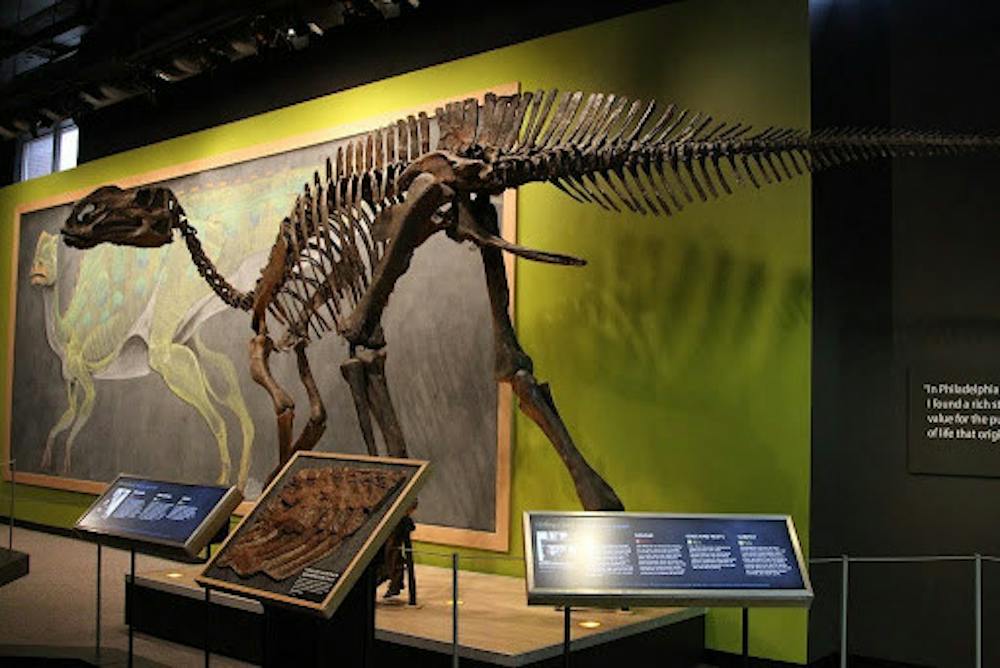
Readers will notice that this article specifically names these “financial challenges” as threats to small museums, and the Academy of Natural Sciences is anything but. The Academy holds over 19 million natural specimens within its walls, one of the largest bird collections in the entire world, the fourth-largest mollusk collection, its famous 42-foot Tyrannosaurus rex and over 75,000 natural science literature in its library archive, some of which are almost 500 years old.
And yet, these “financial challenges” plaguing small museums were one of the factors into Drexel’s decision to close the museum.
“In the years that followed the COVID-19 pandemic, the Academy worked actively to rebuild attendance and engagement,” Drexel said further in their statement. “But patterns of visitation and audience behavior changed in lasting ways, while the costs of operating the museum continued to rise.”
An observation on other major museums reflect the impact of such detrimental changes. A prime example is the Guggenheim art museum in New York, which was forced to “raise their entry fees to stay afloat amidst inflation and rising costs due to expansion.”
The Academy faced similar pressures. Around 2018-19, general admission for a single adult was around $20. That admission has since been raised to $22 when tickets are purchased online, and 24 dollars for in-person tickets.
Unlike the Guggenheim, the Academy could not sustain itself on this business model in the long run.
“Over time, it became clear that these were not temporary pressures, but fundamental changes in the economics of the Academy’s operational model, costs that have imperiled the Academy’s ability to discharge its overall mission and preserve its legacy.” Drexel said.
Adding to the post-Covid financial troubles were the federal funding cuts the Academy suffered last October, which forced the museum to reduce its hours from five days a week to just Friday through Sunday.
Such federal funding cuts, especially in the wake of last year’s catastrophic federal shutdown, similarly crippled other major museums such as the National Museum of African American History, the Smithsonian American Art Museum and the National Museum of the American Indian.
Unlike these museums, however, the Academy suffers the additional burden of having to divide a dwindling budget between their educational public museum and their functional research institution.
A difficult sacrifice had to be made: keep making science accessible for all within a museum, or stick to the Academy’s original founding goal in furthering research within natural science fields? They chose the latter.
“After examining a range of alternatives, Academy and Drexel leadership concluded that continuing to operate the museum in its current building and form would place increasing pressure on the resources required to safeguard the collections and sustain the research enterprise.” Drexel said. “Closing the current Parkway museum is, therefore, a difficult decision taken to concentrate resources on the Academy’s enduring scientific assets and research.”
While the natural science community was able to breathe a sigh of relief at this news, the general public did not. Many, especially within Philadelphia, aren’t willing to let the museum section of the Academy go into that gentle good night without a fight.
This past Labor Day, protests were staged outside of the Academy on 1900 Benjamin Franklin Parkway against the Academy’s closing.
"At a time when climate change and science continue to be under attack, Philadelphia cannot afford to lose another institution that connects people to the natural world," Organizers of the protest, which included Green Philly, Philadelphia Science Action and Skype a Scientist, told NBC 10.
“The Academy plays a critical role in our city,” they continued.
Whether the efforts of these protesters leads to a hail mary for the Academy or not is yet to be seen, but recent national and international trends indicate that it is possible for museums to make significant comebacks under great economic and political pressures.
Just after the government shutdown, The Metropolitan Museum of Art saw a 5% increase in visitorship this past year, and the Smithsonian Institution was able to reopen its doors to the public.
On an international scale, the Louvre museum in Paris saw a 5% increase in their attendance despite a jewelry theft, and the National Museum of Korea in Seoul experienced an unheard of 72% increase this year, making them the third most visited museum in the world.
With these recent national and international museum wins in mind, instead of asking what viable future do museums have in our modern economic circumstances, perhaps the better question would be what can museums like the Academy learn from others who have been able to bounce back?
The last day for the public to visit the Academy of Natural Sciences is Sept. 27, with all operations officially closing on Sept. 30.