By Frankie Sanchez
Staff Writer
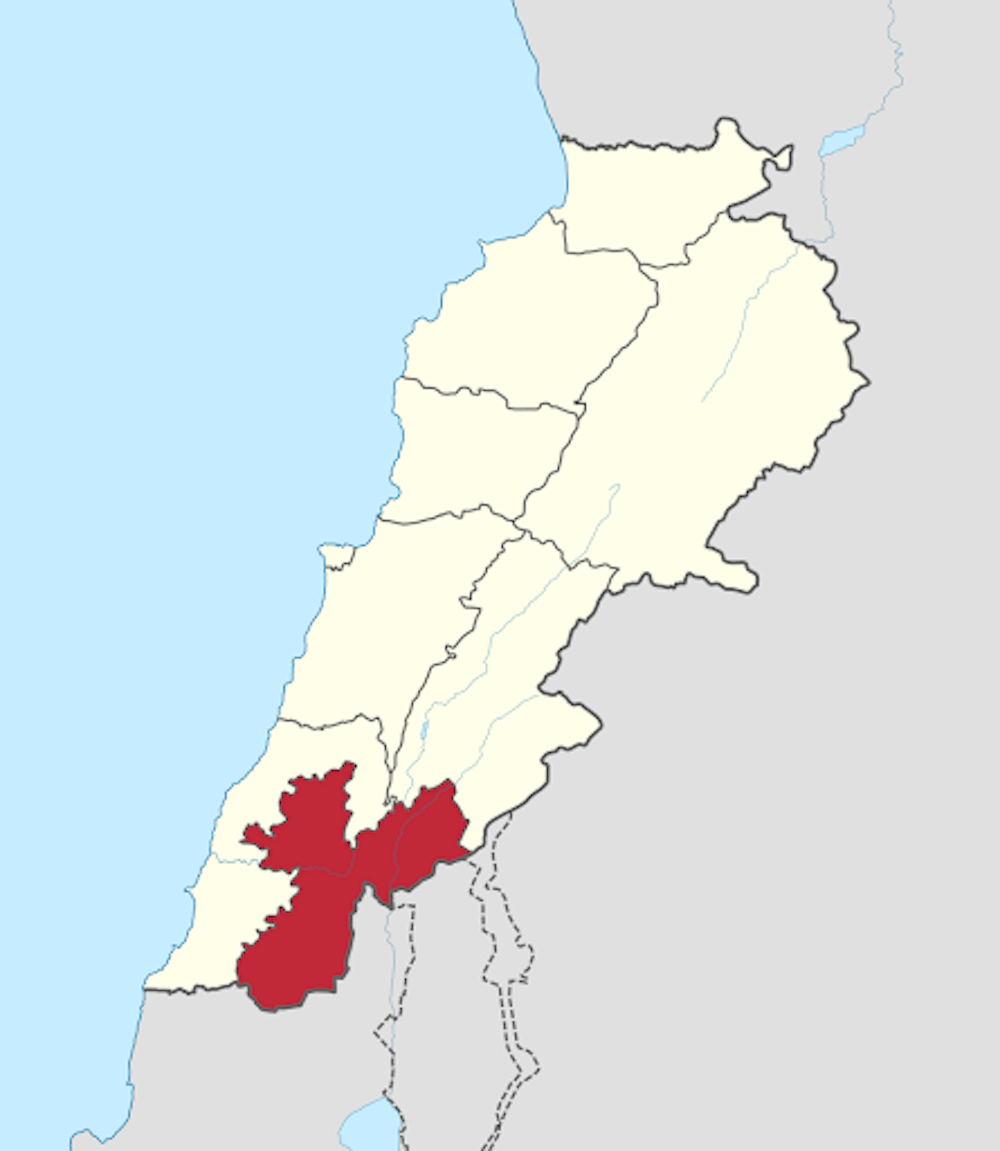
Israel launched a series of new strikes into southern Lebanon on Sept. 7, according to the New York Times. These were the biggest of recent strikes that Israel has launched in Lebanon since the US-brokered peace deal between Israel and Lebanon went into effect in June.
Hezbollah and Israel have both repeatedly broken the ceasefire signed in June, according to PBS.
Israel claimed the recent bombardments were in response to drone attacks by Hezbollah, and that the strikes targeted Hezbollah infrastructure, “Including a weapons storage facility, according to the New York Times.”
Days earlier, on Sept. 4, Israel seized an important ridge named Ali al-Taher that it had been attempting to capture for months; Israel claimed the ridge “sits above a sprawling underground Hezbollah base, and offers a commanding view across the valleys and roads of southeastern Lebanon.”
Israel made claims that the underground base contained a massive weapons and ammunition stockpile, the New York Times reported. However, Hezbollah officials called these claims exaggerated. Following the capture of Ali al-Taher on Sept. 4, Israel began its bombardment of southern Lebanon which would last over the next three days.
The New York Times quoted Israel Katz, the defense minister of Israel, who described the capture of the ridge as, “the completion of the process of consolidating our hold on the security zone in southern Lebanon.” On Sept. 11, Israel detonated a massive explosion that destroyed the underground facilities beneath Ali al-Taher.
PBS reported that over 20 people total were killed in Israeli strikes to villages in Southern Lebanon on Sept. 6 and Sept. 7.
The New York Times quoted the President of Lebanon labeling Israel’s actions, “a dangerous escalation.”
The U.S. also mediated a joint Lebanese-Israeli plan where in exchange for a removal of Israeli forces from southern Lebanon, the Lebanese government would work to disarm Hezbollah. However, according to PBS, “little progress” has been made.
Hezbollah is separate from and does not directly answer to the Lebanese government, and has already refused to give up its weapons in southern Lebanon, the New York Times reported. Similarly, Israel refuses to leave Lebanese territory until Hezbollah is disarmed.
Recently on Sept. 13, however, Reuters reported that Israel and Lebanon will meet in Rome in October again under U.S. mediation. An anonymous state department official told the source that the potential agreement is meant to “ease hostilities along the border.”
The same anonymous state department official added that the implementation of the deal, “remains the only viable mechanism for restoring Lebanon's sovereignty and Israel’s security.”