By Tasnim Oyshi
Editorialist
Online safety for children has been an issue since the inception of the internet. In the early days of social media, platforms such as Facebook and MySpace weren’t necessarily concerned or even aware of how children’s mental health would eventually be affected as new features and algorithmic changes were developed and added over the years.
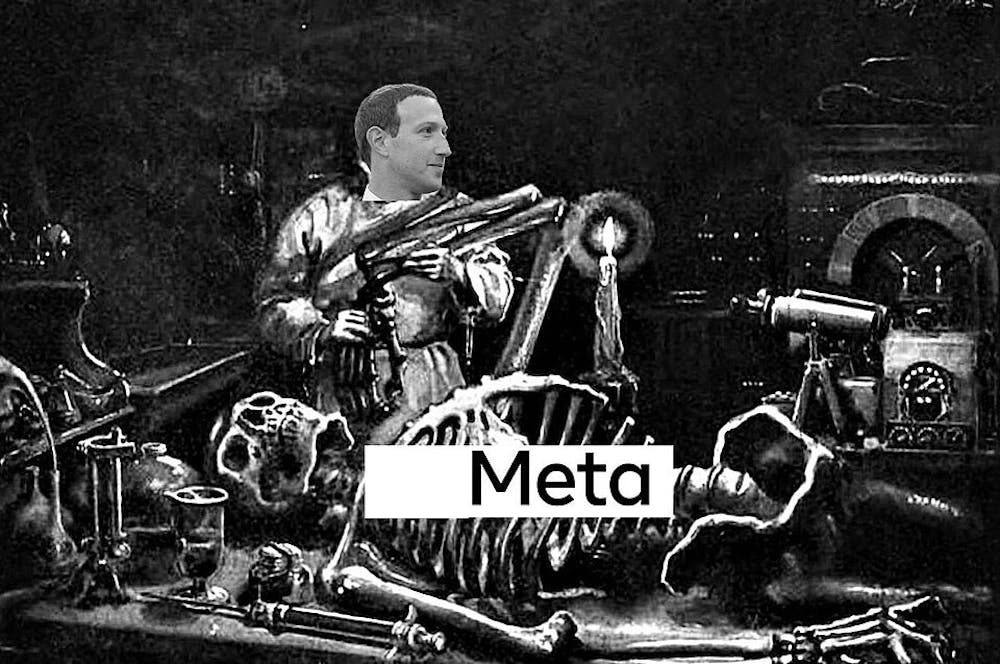
As of recent years, the concerns regarding child safety have reached the foreground of parents’ minds. With more and more minors being exposed to harmful content, becoming addicted to social media and facing negative mental health effects, a majority of U.S. states have taken action with a lawsuit against Meta.
After about eight days in trial, Meta announced on Aug. 26 that the company will be settling the case with about $17 billion, which isn’t a considerable amount for a company that brings in billions of dollars per year. Although Meta did not own up to the accusations of knowingly installing addictive features to their apps, they stated that they will be adding new safety features to their apps for those underage and even encouraged other social media apps to follow.
These safety features include: a two-hour usage limit, lack of access to feeds, stories and reels during the night and school hours, the ability to disable autoplay, a removal of likes, the choice to select a non-algorithmic feed and stronger technology to make sure those under 13 are not making accounts, according to CNBC.
These regulations are meant to protect underage social media users of the current and next generation. This is undoubtedly important as children are the most vulnerable people in society. However, these new features, and the case overall, leaves out those who did not grow up with those same guardrails but faced the same dangers.
It has not been long since social media has been taken seriously as an addiction. When many members of Generation Z and the Millennial generation were overusing social media as teenagers, it was considered to be a mere waste of time by parents at first.
However, more and more research has been done over the past decade about how deeply social media addiction can impact teens. Anxiety, depression and self-esteem are just some of the mental health aspects that social media addiction can promote and worsen. When Gen Z and Millennials were using Facebook and Instagram growing up, there was nothing to protect them from these consequences.
Even the new Meta safety guardrails don’t allow users over 18 or those who aren’t parents to partake in what could possibly help them to decrease their own social media usage. This begs the question if Meta might owe these users anything.
Whether it is the ability to get rid of features like infinite scroll or algorithmic feed or even additional settlement money that could be used to help them overcome their addictions, it feels as though it is Meta’s responsibility to give former teen social media users a way to deal with the impacts Meta themselves caused.