
By Luke Hunter
Correspondent
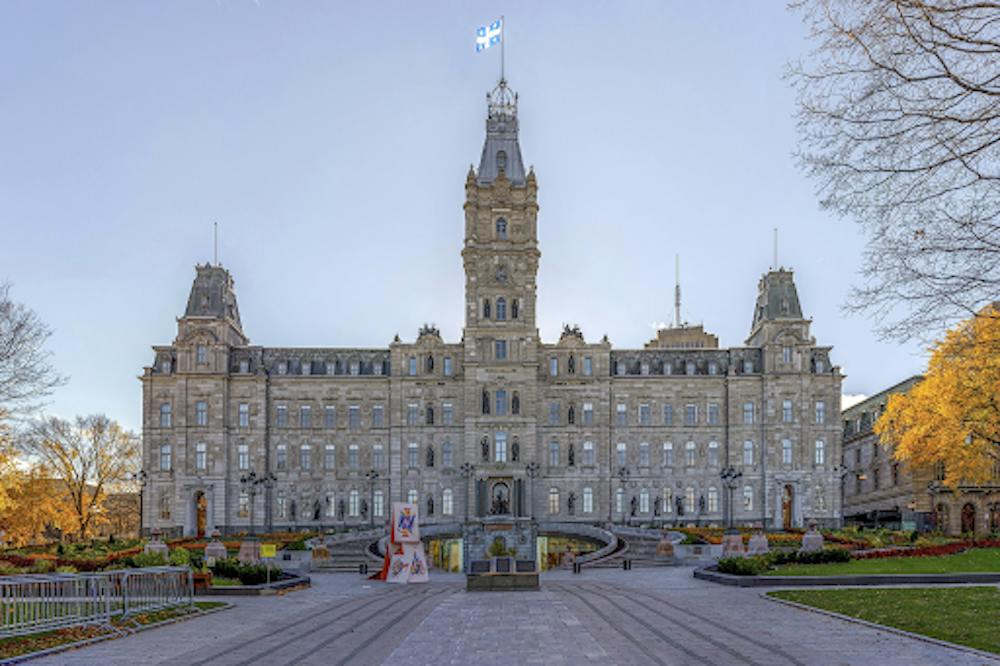
Parti Quebecois, following the Quebec Provincial elections held on Monday Oct. 5, returned to power in Quebec for the first time in over a decade, CNN reported.
According to CNN, Parti Quebecois returned to power with enough votes to form a minority government meaning, the party will not be able to govern the province alone, relying on opposition parties to achieve set goals.
Paul St-Pierre Plamondon, the leader of Parti Quebecois and the slated new premier of Quebec, stated in his victory speech that he plans to push for a referendum on independence from Canada, BBC reported. Although St-Pierre Plamondon vowed later in his speech to be “the premier of everyone in Quebec.”
Previously, Quebec, the only majority French speaking province in Canada held referendums twice on independence, once in 1980 and then again in 1995. Both times the referendums fell short of the votes needed to break from Canadian Confederation.
Currently, polls in Quebec indicate that only about 30% of Quebecers support breaking away from Canada.
According to The Montreal Gazette, Parti Quebecois’s election victory fell five assembly seats short of necessary to form a majority government. Because of this, St-Pierre Plamondon pledged in his victory speech to work with “other sovereignist parties in the National Assembly” to achieve a vote on independence.
Quebec Solidare, the only other Quebec separatist party in the National Assembly, currently holds nine seats, making a push on holding a referendum on independence possible. However, The Montreal Gazette reported that Quebec Solidare and Parti Quebecois hold conflicting ideas of how the referendum should be held. Parti Quebecois seeks a simple yes vs.no referendum whereas Quebec Solidare wants a constitution drafted first which would then be put to a Province wide vote.
According to CNN, St-Pierre Plamondon pledged to hold off on pushing for a referendum until U.S. President Donald Trump is no longer in office.
With Trump holding office until January 2029 this presents a significant challenge to St-Pierre Plamondon’s hopes of a referendum. The Montreal Gazette reported that minority governments average about 18 to 24 months meaning St-Pierre Plamondon will have to further compromise with other parties in the National Assembly if he hopes to avoid triggering a no confidence vote throwing Parti Quebecois out of power.
According to the BBC, St-Pierre Plamondon pledged on the campaign trail that he would battle with the Canadian government in Ottawa on multiple issues separate from independence. St-Pierre Plamondon vowed to fight Ottawa’s increased immigration mandate placed on Quebec. The soon-to-be premier also vowed to redirect government money used on institutions tied with the British Monarchy towards social programs instead.
Mark Carney, the prime minister of Canada, congratulated St-Pierre Plamondon following his election victories, reported BBC. When asked about the chance of a referendum, Carney said he was more concerned about present concerns and not those “a few years down the road.”