By Zo Terrana
Staff Writer
Behind the cracked sidewalks, narrow roads, small housing units and abandoned, busted out buildings lies an issue within the Trenton community beyond the mosaic of poverty certain parts of Trenton show. The city of Trenton, the capital of New Jersey founded in 1719, has been through desperate times that can only be brought by extremely impoverished conditions.
Economic hardship has birthed a growing food insecurity issue throughout the city, impacting low-income families and the children of Trenton.
The president of Circle K at the College, Christopher Malland, offers a cohesive and substantial path in fighting Trenton’s food insecurity issue through the College’s chapter of this international advocacy organization. HomeFront, a Trenton based organization, which operates away from Circle K separately, is striving to help the community’s overall poverty situation to better the city’s future.
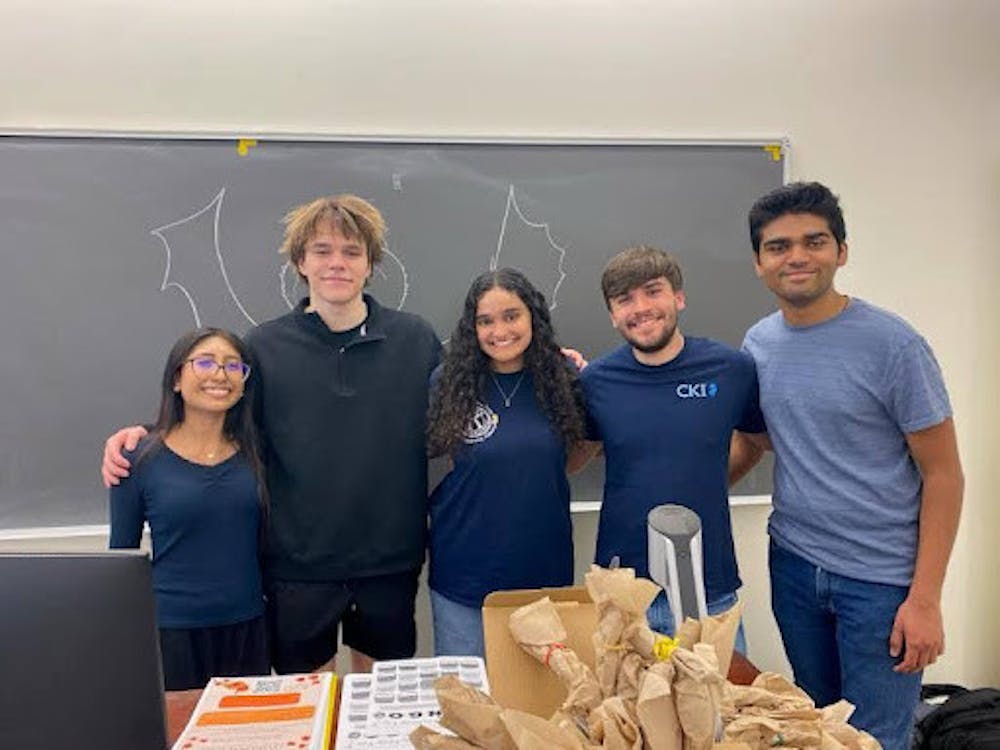
Malland has driven the organization's goals and initiatives this spring with various campus activities and programs. Circle K has worked extensively with the Trenton Area Soup Kitchen to branch out towards the broader Trenton area to help the community’s struggling families.
“We donate things such as utensils, sandwiches, clothing, non-perishable food to TASK,” Malland, a junior biology major said. “We work closely with them in achieving their mission of helping homeless people across Trenton and helping serve the community in the best way possible.”
Circle K’s new programs are centred around their service projects such as utensil wrappings and making food donations. The organization donated 100 peanut butter and jelly sandwiches to TASK last November to help feed the community.
Circle K’s recruitment is one of the organization's biggest issues as of the spring semester. Due to students having other responsibilities there has been trouble in student turn out for attending meetings and service events.
“This has been an international issue across the organization as a whole,” Malland said. “However, we had an increase of about 10 members this year. We are trying to increase those retention efforts in the future to definitely get more people involved in community service.”
Trenton has experienced vast economic issues, such as the rise in living expenses leading to the city’s food insecurity problems over the past years.
“The biggest driver we see locally is affordability. Mercer County and NJ more broadly have a very high cost of living. Even families who are working are often struggling to keep up with rising housing costs, childcare, transportation and groceries,” Meghan Cubano, HomeFront's Chief Development Officer said.
Since housing takes up a larger portion of a families budget, food is then one of the first areas that families sacrifice. This results in parents making difficult choices between paying rent or buying groceries for their family.
This year HomeFront is strengthening its initiatives to associate with food access across the Trenton region. The HomeFront’s new program, “Home Grown,” educates families on how to grow their own food using garden containers. This allows families living within urban areas to help grow fresh vegetables and increase food independency.
“We are also expanding our FreeStore pantry services in Trenton, and we are partnering with Mercer Street Friends on a new community resource hub on 222 Hermitage Avenue,” Cubano said. “Research from Trenton Health Team identified the area as having limited access to fresh and healthy food options, and this new site will help bring groceries, case management support and other essential services directly into that neighborhood. The goal is to reduce transportation barriers and make it easier for families to access healthy food and other supports in one place.”
The African American community, a key demographic in Trenton, has been heavily impacted due to poorer areas not having access to proper grocery stores. This community within the city makes up for approximately 41.3% of Trenton’s population according to census.gov.
“There’s definitely a lack of those facilities present for the people of Trenton,” Malland said. “I feel the closest supermarket for many people is probably 15 minutes away.”
The culmination of societal issues like the cost of living has been intersected with current federal legislation leading to the families of Trenton being burned economically.
“The Trump administration's so-called One Big Beautiful Bill's food and health care policies made it even harder for the country's poorest people to survive poverty,” said Leigh-Anne Francis, an African American Studies professor at the College. “The OBBB cuts $1.1 trillion from SNAP and Medicaid in order to provide $1.1 trillion in tax cuts to multi-millionaire and multi-billionaire individuals and corporations.”
This legislation has allocated more funding to agencies like Immigration and Customs Enforcement whilst cutting programs that help feed and provide healthcare to impoverished Americans, Francis said.
“Access to government aid for food and healthcare means life or death to poor people across the U.S., including Trenton's overwhelmingly Black and Latino low-income communities,” Francis said. “The Trump administration's funding cuts to programs that feed, house, and provide healthcare to poor adults and children harm life and promote death. The OBBB worsens systemic conditions that drastically limit or entirely eliminate poor people's access to nutritious food.”
Due to healthier food being expensive even in low income areas, Trenton families who do work are suffering to put healthier food options on the table.
“Joblessness and jobs that do not pay a living wage create and sustain the food insecurity and malnutrition that generates higher rates of illness and death in poor communities of color,” Francis said. “Adequately resourced schools provide children with the education they need to obtain the college education and advanced degree that makes it possible to obtain middle and high-income jobs.”
Trenton’s youth is profoundly impacted by this issue of food insecurity, influencing children's overall standard of living.
“When kids are hungry or unsure when they’ll eat next, it becomes much harder to concentrate in school, participate fully in activities, and simply enjoy being a child,” Cubano said. “Research consistently shows that when families are food secure, children experience better academic outcomes, improved health and greater overall well-being.”
Political action could be the driving force in helping the Trenton community with this issue. Voters within New Jersey must vote for politicians who align with the policies that are actively trying to dismantle systems that create food insecurity issues, according to Francis.
“To create policies that transform food deprived communities into food secure communities, government officials must adopt clear and actionable anti-poverty platforms that center the voices, perspectives and lived realities of New Jersey's poorest people, including poor white families and Trenton's low-income communities of color,” Francis said.
Looking ahead at the Trenton community’s future, significant strides have been made. However more work is to be done to help with the community’s food insecurity. New Jersey created the Office of the Food Security Advocate in 2021.
According to nj.gov, the office’s responsibilities include cooperating with research organizations and State Partners to monitor ongoing gap analysis that identifies areas that are underserved by current food insecurity programs
Within Trenton there are “strong working groups and collaborations focused on expanding access to healthy food, improving distribution systems, and ensuring resources reach the neighborhoods where they are needed most,” Cubano said. “We’re hopeful that these partnerships will continue to strengthen the local safety net for families.”