Natalia Tomczak
Opinions Editor
It is no well kept secret that in the United States many people drink before it is legal for them to do so.
Isn’t it strange? You can bartend at 18, but not drink?
You can vote, take out loans, marry, sign up for the military and be treated as an adult in the criminal justice system. You can do all of these things that signify adulthood and a level of maturity — but you can’t drink.
Eighteen is a milestone age and official passage into adulthood. Nevertheless, adulthood is a social construct. 18 doesn’t actually signify anything, but it evidently means something in the United States to be 18, something different than what it would mean to be 17.
As a college student, this creates a unique culture. There’s a divide between college students who are under 21, and those who are over 21. This leads to people sneaking around, even when it is already well-known people of their age do it, not to mention the culture of college bars and fake IDs.
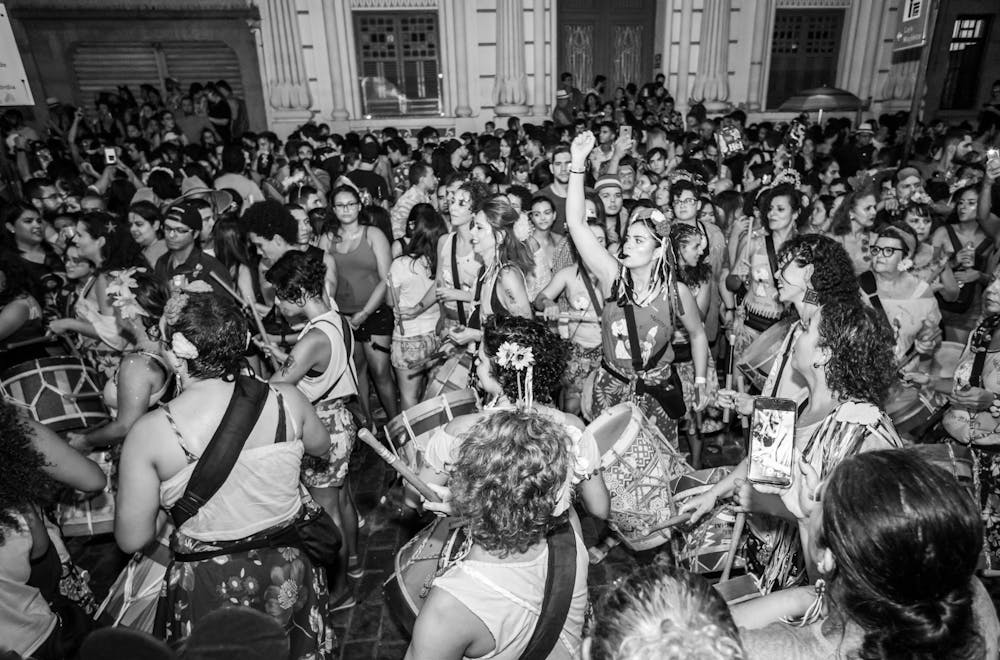
Drinking behaviors are dependent on the culture of that society. Something many travelers notice is that the drinking culture in many European countries is based on social life and drinking is a part of daily meals. In the U.S., especially among college-age students, quick and full-blown intoxication is the norm.
What happens when something is socially acceptable even though it is illegal?
Just like the prohibition era didn’t stop people from drinking, it merely encouraged them to do it in secret. The danger and excitement of the forbidden nature of drinking has not left the culture.
This leads to a perception that the law can be selectively obeyed.
Young people live in this culture of dodging the system. The fact that drinking is not legal for 18-year-olds creates this idea of scarcity, leading people to indulge in excessive consumption when they do finally have access to alcohol, since they can’t go out legally to drink.
Much concern about the consequences of lowering the drinking age is related to fear of an increase in binge drinking and alcohol-related car accidents. The real concern should be, how well does the U.S. address the underlying issues that lead to alcohol abuse?
With the drinking age at 21, do we really address the root cause of these concerns? I’d argue we do not. Maybe the rate of drinking won't go down if the drinking age is lowered to 18, but episodic binge drinking will decrease when the idea of scarcity is gone.
What is often ignored is the effect of the speakeasy-like nature of drinking on social outings. Personally, I don’t desire to drink or smoke, but I desire to legally be allowed to be in these social spaces with other young adults. I feel a part of my adolescence has been taken away from me when I see that people in other countries are allowed to go out at 18.
The drinking age being 21 does not stop people from drinking before then. It would be more beneficial to the culture if the drinking age was 18 instead.